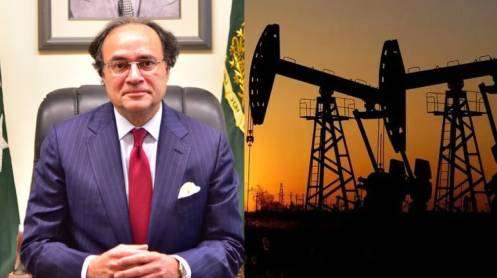
ISLAMABAD: Finance Minister Muhammad Aurangzeb on Wednesday assured that Pakistan currently faces no fuel shortage, despite rising global uncertainty caused by the ongoing conflict involving the Israel, Iran, and the United States.
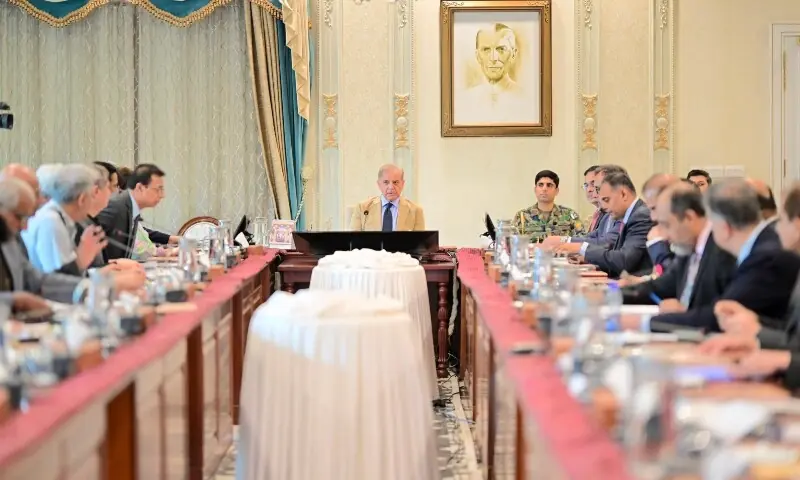
Briefing the Senate Standing Committee on Finance, the minister advised consumers to conserve fuel as a precautionary measure, though he emphasized that the country is not considering fuel rationing at this stage.
“We are not going for rationing of fuel as there is no fuel shortage in the country, but the situation could become serious if the war drags on,” Aurangzeb said while responding to a query from committee chairman Saleem Mandviwala.
The committee was informed that petrol and diesel stocks are sufficient for 28 days, while crude oil reserves are available for about 10 days. Additionally, liquefied petroleum gas (LPG) and liquefied natural gas (LNG) supplies are sufficient for around 15 days.
However, Aurangzeb noted that some fuel cargoes have been delayed in Qatar, creating temporary supply constraints. To address the shortfall, the government has decided to increase output from local gas fields.
Officials further informed the committee that the Finance Ministry will hold daily meetings with relevant departments to closely monitor fuel availability and track international energy price trends.
Amid the ongoing disruption in global shipping routes, Pakistan has also formally requested Saudi Arabia to provide an alternative oil supply route through Yanbu to maintain its fuel supply chain following the closure of the Strait of Hormuz.
Meanwhile, Jamil Ahmad, Governor of the State Bank of Pakistan, warned that global oil prices could rise to $100 per barrel, potentially increasing pressure on Pakistan’s external sector, as energy imports make up a significant share of the country’s total import bill.
The SBP governor said Pakistan’s foreign exchange reserves currently exceed $16 billion and are expected to reach $18 billion by June and around $20 billion by December.
He clarified that the reserves were not accumulated through additional borrowing, explaining that the central bank had purchased approximately $24 billion from the market over the past three years, which helped stabilize the currency and strengthen external buffers.
According to Ahmad, Pakistan’s external debt has increased from $55 billion to about $103 billion over time, while the country’s total external liabilities currently stand at around $138 billion.
He added that inflation during the current fiscal year is expected to remain between 5% and 7%, and could stay within the same range in the next fiscal year as well. However, he cautioned that rising geopolitical tensions and energy prices could influence inflation trends in the coming months.
The SBP governor further noted that Pakistan’s current account deficit is projected to remain around 1% of GDP during the current fiscal year, and is expected to stay within the projected limit despite the potential increase in global petroleum prices.
Story by Kalbe Ali